
What is a red flag?
A red flag is a warning sign that a relationship, a person or a situation may hurt you: control, lies, disrespect for your boundaries, pressure or a pattern of making you feel small. One bad day is not a red flag; a behaviour that repeats, escalates or is never repaired is. Green flags are the opposite: respect, consistency, honesty and taking responsibility. The detector reads what you share and names both, so you can see the pattern instead of explaining it away.
Red flags the detector looks for
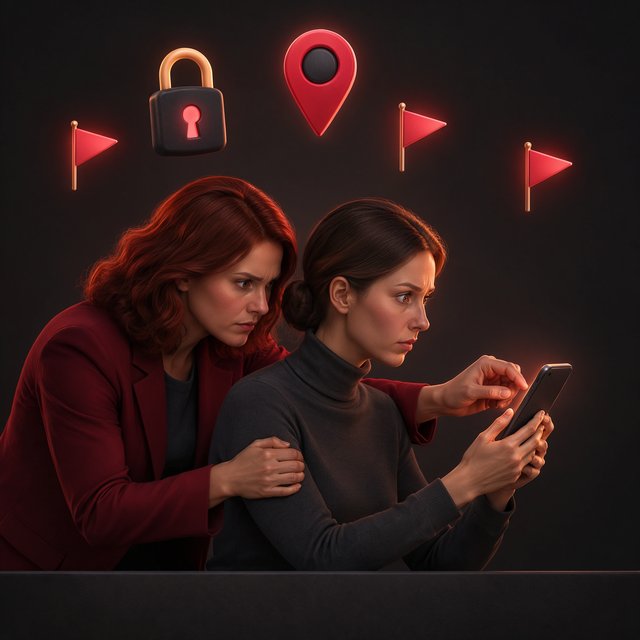
Control and checking
Demanding your passwords or location, checking your phone, deciding what you wear, spend or who you see.

Ignoring your boundaries
Pushing after a clear no, mocking your limits, or making you feel guilty for having them.

Lies and inconsistency
Stories that change, promises that are never kept, and words that don't match what they actually do.

Moving too fast
Love bombing, “soulmate” talk in the first weeks and pressure to commit before you know them.

Blame and no apologies
Everything is your fault, real apologies never come, and you end up saying sorry for their behaviour.

Jealousy and isolation
Jealousy framed as love, friends and family described as a problem, and guilt for having your own life.
How the Red Flags Detector works
A clear outside view when you are too close to see it.
Share what happened
Paste messages, upload a screenshot or describe the behaviour in your own words.
AI finds the flags
The analysis looks for control, lies, disrespect, pressure, love bombing and other warning signs, and also for green flags, quoting the evidence.

Decide your next step
Get a red flag level, the flags found, a calm reply and a question that shows where you stand.
What can you check with the Red Flags Detector?
Situations where your gut says something is off.
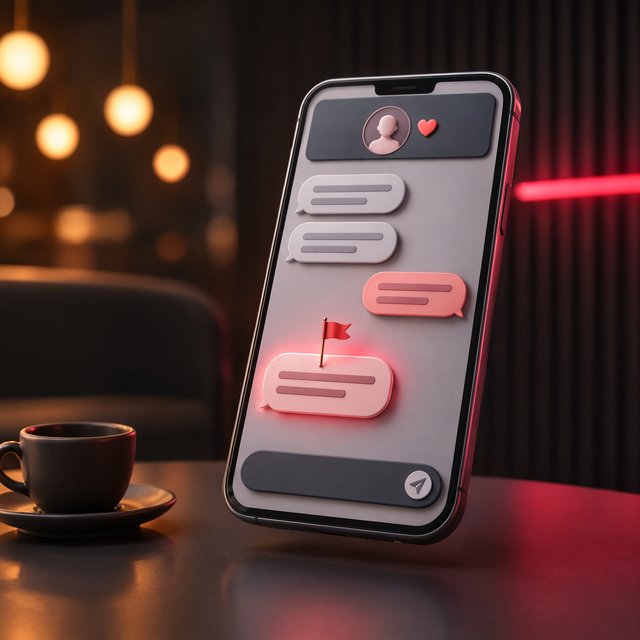
Dating and early chats
Texts from a match or a new date that feel too intense, inconsistent or pushy.

A partner or an ex
Messages and behaviour that leave you confused, guilty or walking on eggshells.

Friends and family
Relationships where support comes with control, guilt or constant criticism.
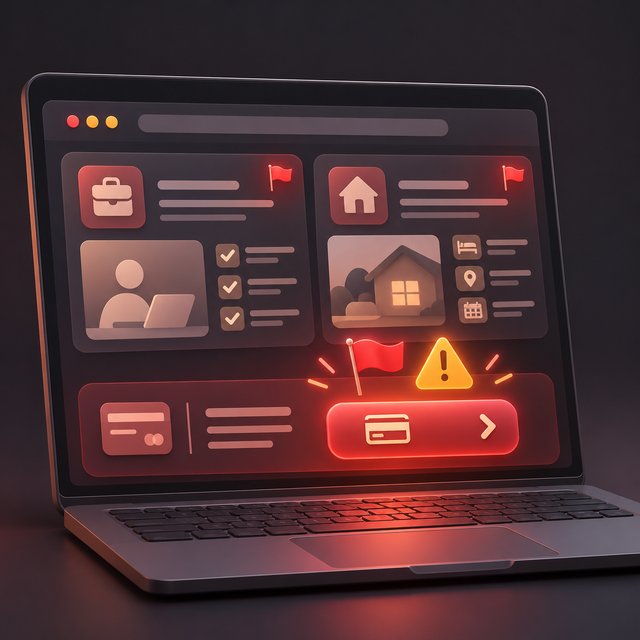
Jobs, deals and strangers online
Job offers, rentals and online deals with pressure, secrecy or promises that are too good to be true.
How Does EmoScan Work: Scan Emotions with AI





From Our Blog
Tips and insights on emotions, communication, and AI
How to Ask for a Raise Over Email: Structure and Examples
Learn how to ask for a raise over email with a clear structure, assured wording, example messages and a calm way to follow up if the answer is no.
How to Politely Decline a Job Offer by Email: 6 Templates
Learn how to politely decline a job offer by email with 6 ready templates, short and detailed versions, and tone tips that keep the door open.
Breadcrumbing Meaning in Texting: 7 Signs and Replies
Breadcrumbing meaning in texting, explained: how to spot the pattern, tell it from a busy person, and respond or step back with clarity.


Common red flags in a relationship
Red flags rarely arrive alone. These are the ones people most often describe before they realise a relationship is hurting them:
- Checking your phone, location or messages, or asking for your passwords
- Jealousy presented as proof of love
- Criticism of your friends and family, and less and less time with them
- Anger or sulking when you say no
- Lies, half-truths and stories that change
- Never apologising, or apologising and repeating the same thing
- Moving very fast: big promises and “soulmate” talk in the first weeks
- Hot and cold: warmth used as a reward and silence as a punishment
- Control of money, clothes or plans
- Making you doubt your memory or your feelings
Red flags, yellow flags and green flags
Not every concern is a red flag. A yellow flag is something worth watching: a bad temper on a stressful day, a clumsy joke, or slow replies. It becomes a red flag when it repeats, gets worse when you raise it, or comes with blame instead of repair. Green flags matter just as much: respect for your no, honest apologies, consistency, and support for your own life. You can read more in our guides to gaslighting, love bombing and 48 real dark psychology examples.
If you feel unsafe
If someone threatens you, hurts you or you are afraid of how they will react, your safety comes first. In the US you can call or text the National Domestic Violence Hotline (1-800-799-7233, or text START to 88788), in the UK call 0808 2000 247, and elsewhere findahelpline.com lists local services.